01
The mighty Congo River
One of Africa’s great waterways, the Congo River is central to transportation, ecosystems, livelihoods and the story of Central Africa.
Every child has value, dignity, and a future worth protecting.
Ruth’s Home for Children is a U.S.-based nonprofit committed to helping orphaned and abandoned children in the Democratic Republic of Congo. Our mission is to provide a loving home, education, and medical care.
Help Our Mission →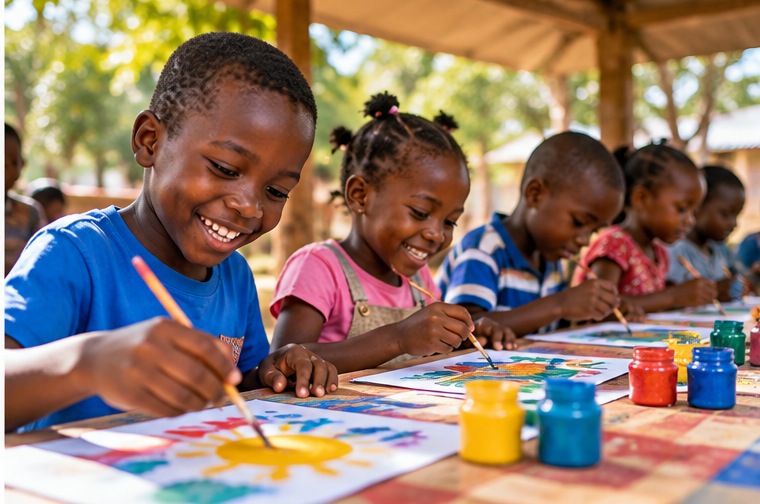
“Pure religion and undefiled before God and the Father is this, To visit the fatherless and widows in their affliction.”
Our Christian values inspire practical service: protecting childhood, strengthening families and communities, and making room for hope where it is needed most.
Explore Programs →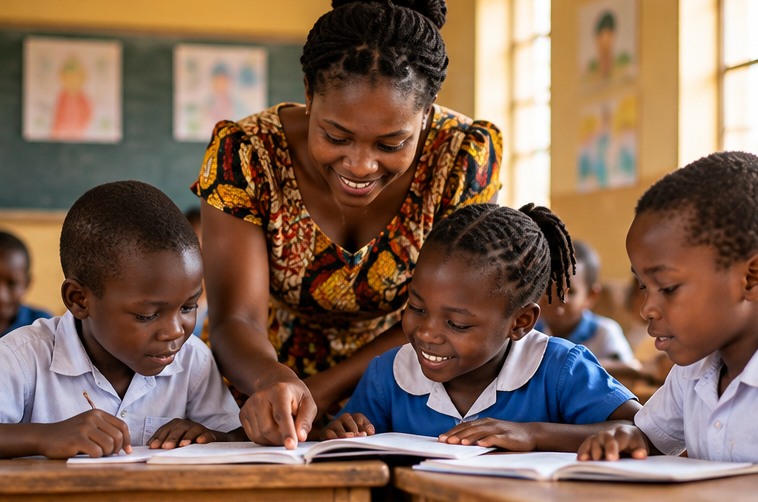
More than a place on a map, the DRC is a country of extraordinary rivers, forests, creativity, culture and resilience. Understanding its people and heritage is part of understanding why Ruth’s Home serves here.
Find the Democratic Republic of Congo in Central Africa, then explore Kinshasa, its capital, on the banks of the Congo River.
These maps show the country and its capital for educational purposes; they do not identify the location of a children's residence or Ruth's Home facility.
One of Africa’s great waterways, the Congo River is central to transportation, ecosystems, livelihoods and the story of Central Africa.
The Congo Basin contains the world’s second-largest tropical rainforest region after the Amazon, helping support biodiversity and climate regulation.
The DRC is home to bonobos, okapis, forest elephants and mountain gorillas, alongside remarkable bird and plant life.
Its mineral resources include cobalt, copper, gold, diamonds, tin and tantalum—materials used around the world.
Kinshasa is known for its lively music, art, fashion and urban culture, shaped by generations of Congolese creativity.
The DRC is home to a rich diversity of communities, traditions and languages, including Lingala, Swahili, Kikongo and Tshiluba.


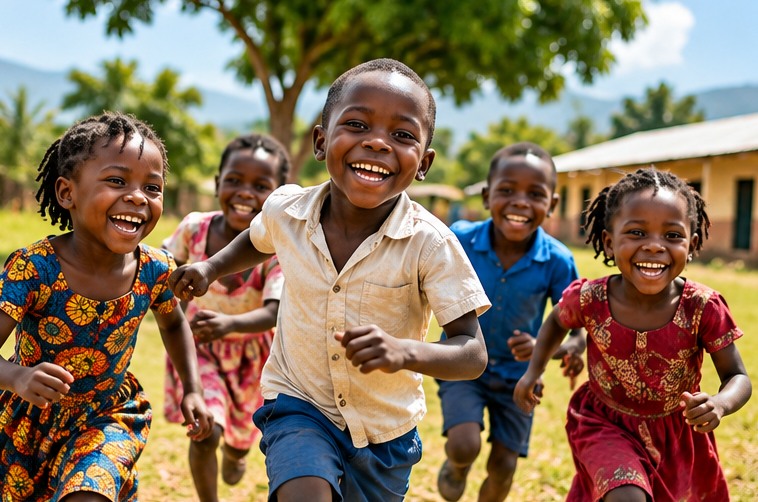
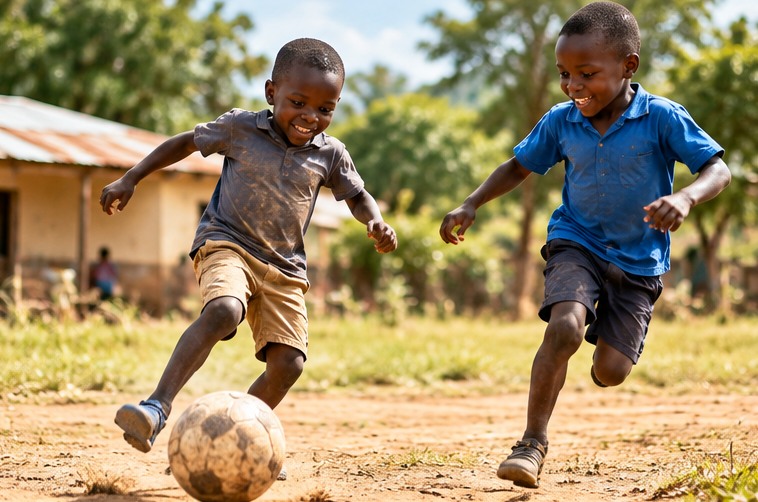
Landscape photographs are illustrative and not verified as DRC locations. The children’s image is AI-generated concept imagery, not a photograph of Ruth’s Home beneficiaries.
The DRC is a leading source of cobalt, an important material used in rechargeable batteries. According to the U.S. Geological Survey, it accounted for approximately 75% of world cobalt mine production in 2024.
That wealth comes with serious challenges. The International Labour Organization documents child labor risks in artisanal cobalt mining and supports work to protect children and strengthen responsible supply chains.
Children belong in safe homes and classrooms—not dangerous work. Ruth's Home's mission of care and education reflects that broader principle; this page does not claim its children are involved in mining.
Help Protect Childhood →Essential to many batteries and clean-energy technologies
In eastern DR Congo, children have been documented in hazardous and sometimes forced mining of gold, coltan (tantalum), tin and tungsten. In the southern Copperbelt, especially Haut-Katanga and Lualaba, child labor has also been documented in cobalt and copper mining. These are distinct mining regions and supply chains.
Children may carry heavy loads, wash ore, dig and work underground, facing injury, unsafe conditions and lost learning time.
In parts of eastern DRC, armed conflict, displacement, poverty and forced labor compound risks to children and families.
Education, family support, child protection services and responsible mineral supply chains help create alternatives to hazardous child labor.
Eastern mining: gold, coltan, tin and tungsten in and around the Kivu provinces. Southern mining: much of the DRC's cobalt and copper production in Haut-Katanga and Lualaba.
The sources document a national issue; Ruth's Home does not claim that its beneficiaries worked in mines or that it operates a mining-rescue program.
Support safe childhoods →Every child deserves safety, education and the freedom to dream.
Sources: U.S. Department of Labor, 2024 findings · USDOL, List of Goods Produced by Child Labor or Forced Labor · ILO, GALAB project.